
Not a diplomat? You still have a chance at working in international organizations!
The article will show you that an international career is possible regardless of your academic or professional background. You’ll learn practical tips on how to identify relevant opportunities and recognize how your expertise could be valuable to international organizations.
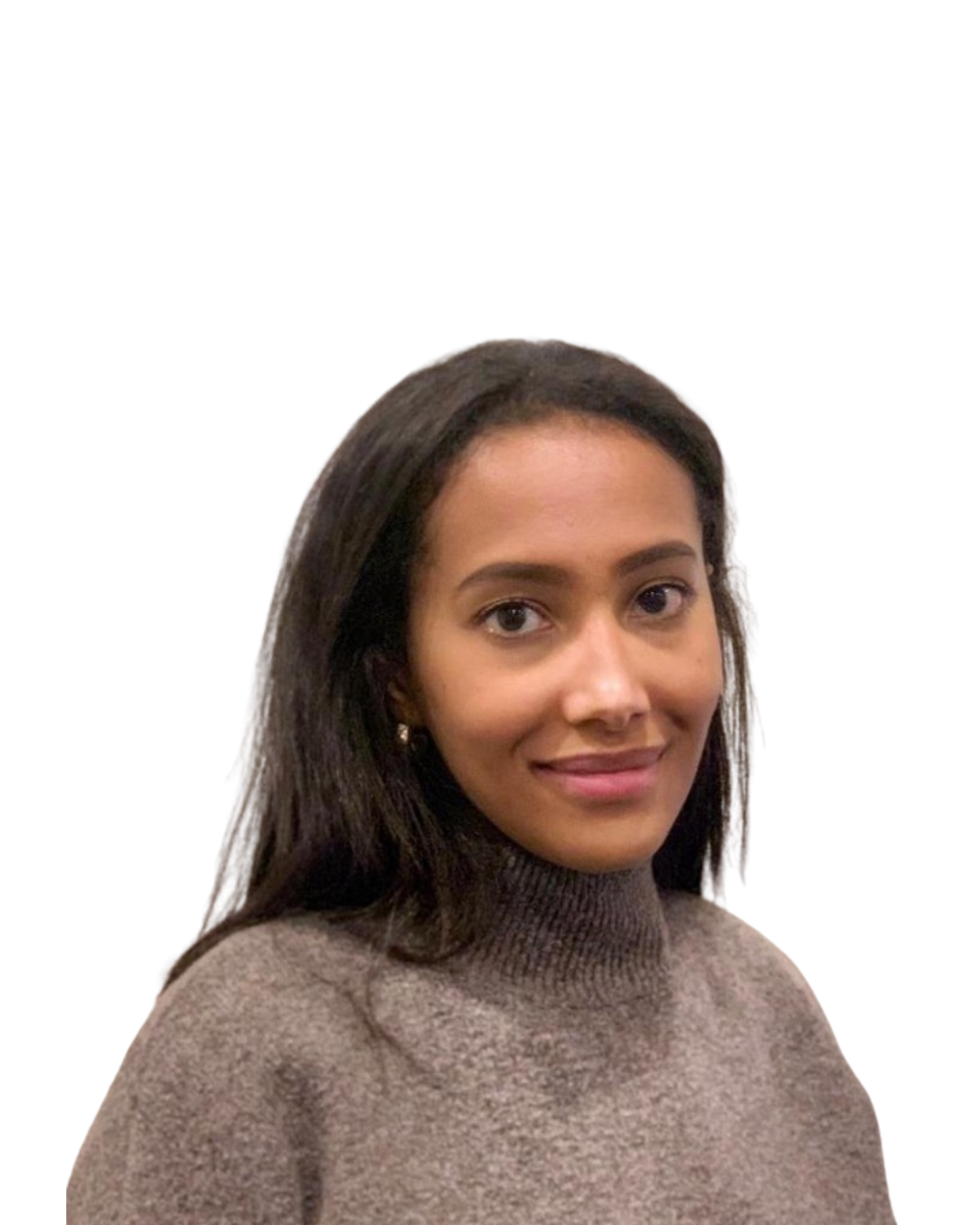
It's Eva Mbengue here! I’m IO Ready’s new communications volunteer (Don't worry, Wiola hasn't escaped to a sunny island just yet 😉).

Let me briefly introduce myself. I’ve been working in communications across EU affairs for 6+ years now (time flies!). I studied international relations, and diplomacy and geopolitics have long been interests of mine.
But here is something I wish I’d understood earlier. Working in international organizations isn't just for people who studied international relations. When I was a student, I pictured international careers in a fairly narrow way. Diplomats, political scientists, linguists, perhaps political assistants. That was more or less the list.
That assumption disappeared during a school exchange semester in New York when I made friends with a schoolmate whose father worked as a cook at the United Nations. Some of you might be thinking, ‘Well, duh!’ but believe me when I say I was extremely surprised and I’m pretty sure that many young students or young professionals have no idea of the range of jobs available in international organizations.

So if you’re an engineer, a school teacher, a pharmacist or even a police officer and you’d love to make a career in international organizations too, you don’t need to start over!
So, what could your job without an international relations degree at an international organization look like?
Here are a few examples to give you an idea.
You're a doctor or work in healthcare

International organizations recruit doctors and healthcare professionals to oversee medical services, shape health policy and coordinate health-care related operations.
The Council of Europe has been looking for a Scientific Programme Manager - Pharmaceuticals and Pharmaceutical care position in France. The role involves work related to the classification of medicines and pharmaceutical practices, including efforts to address medicine shortages. A career in healthcare can contribute to international policy, regulation and cooperation.
You're an engineer or a solar energy professional
Think infrastructure, energy systems, climate expertise and technical problem-solving. International cooperation relies on people who understand how these systems work in practice.
Take this Electrical Engineer for Solar Energy Assessment & Installation consultancy at the International Organization for Migration (IOM) in Nairobi, Kenya. The consultant will assess and monitor the solar energy installation planned for IOM’s office and report any delays, safety concerns or technical issues.

If you work in education or digital learning

International organizations work to strengthen education systems, expand access to education and can develop internal learning programmes.
Look at this e-learning administrator position at Europol. This role involves developing and managing digital learning ecosystems and digital training content. Experience in designing learning experiences, developing educational content and managing digital learning platforms can be valuable for IOs.
And what if your job isn't on this list?
The examples above are just the tip of the iceberg. International organizations need people from crime investigators to AI engineers and communications specialists. And yes, organizations also employ cooks!

So where should you start if you want to explore the possibilities?
What you know and can do
Think about your professional experience, qualifications and transferable skills. What could you bring to an organization working on issues you care about? These are your starting points for identifying roles where you could bring value.
Think about your dream organization
Make a list of organizations whose work interests you, then explore the kinds of professionals they recruit. Look beyond the most visible roles and pay attention to technical, operational and specialist positions.
Learn from people who have already made the move
LinkedIn can be a useful starting point. Look at the profiles of people working in roles that interest you. What did they study? Where did they work before? Which skills or experiences helped them get there? And DON’T be afraid to message them!
Organizations you hadn't considered
Your dream organization isn't necessarily the only place where you could do meaningful work. Explore IOs you might not have considered before. Sometimes an unexpected employer can offer a role that fits your expertise and interests.
Read job descriptions carefully
Job titles can be confusing. The same function may have different names from one organization to another, so read the responsibilities carefully. You might find that a position is more relevant to your experience than its title initially suggests.
Don't rule yourself out!
When I tell people I've worked in International Organizations and NGOs, I still sometimes hear things like, “Oh, I wish I could do that, but I studied literature because I wanted to become a teacher!” Well, guess what? I studied literature too! It didn't stop me from pursuing a master's degree in international relations and building a career in that sector.
So, whether you dream of working internationally but believe your background isn’t right or simply want to discover where your skills could take you, don't rule yourself out. You don't need a degree in diplomacy to contribute to international cooperation. You may already have expertise that international organizations need. Your job is to discover where it fits.
After all, international organizations work on some of the world's most complex challenges. Tackling them requires people with different strengths, experiences and areas of expertise. Your background could be part of the solution.


Comments